
KKM Pushes Back on Proposed Budget Cuts, Calls for Safeguards on Core Healthcare Services

KUALA LUMPUR — Ministry of Health Malaysia is urging the federal government to reassess planned budget reductions, warning that any cost-cutting measures must not disrupt essential healthcare services that millions of Malaysians depend on.
Health Minister Dzulkefly Ahmad said the ministry has formally raised its concerns with Prime Minister Anwar Ibrahim, particularly regarding the proposed RM3.04 billion cut recommended by the Treasury leadership. He noted that the government has shown a constructive response and is open to reviewing the proposal with greater consideration for public impact.
Government Signals Flexibility in Budget Review
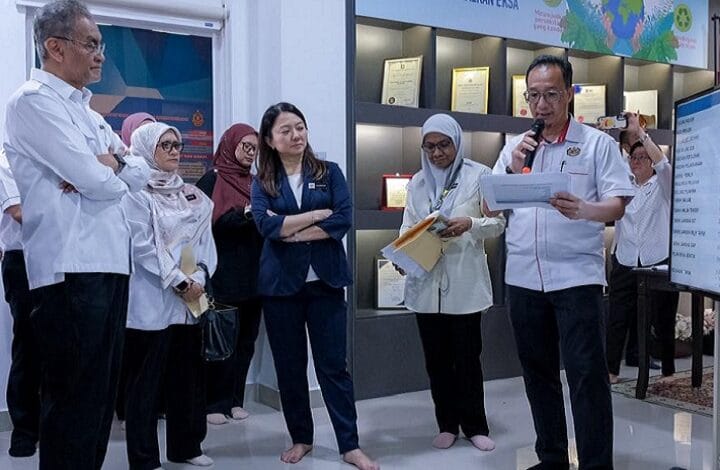
Speaking during a visit to the Klinik Kesihatan Manjalara project site, Dzulkefly indicated that the initial proposal is unlikely to proceed in its original form. Instead, it will be reassessed to ensure that critical areas within the healthcare system are not compromised.
He described the Prime Minister’s response as encouraging, highlighting a willingness to balance fiscal discipline with the need to maintain service quality and workforce stability within the health sector.
Also present at the visit was Hannah Yeoh, Minister in the Prime Minister’s Department (Federal Territories), reflecting cross-ministerial attention to the issue.
Pressure from Fiscal Constraints Remains
The proposed cuts are part of a broader fiscal consolidation effort led by the Ministry of Finance, which has outlined plans to reduce operational expenditure across several sectors. In total, RM5.4 billion in reductions have been suggested for both healthcare and higher education as the government seeks to strengthen its financial position.
The move comes amid rising subsidy commitments that continue to weigh heavily on national finances. While the Finance Ministry has given assurances that basic services will remain unaffected, concerns persist about the potential indirect impact on service delivery if resources are reduced.
Dzulkefly stressed that the healthcare sector operates under unique pressures, where funding levels are directly tied to patient outcomes, staff capacity, and system efficiency.
Strategic Approach to Cost Optimisation
In response, the Health Minister has directed senior officials within the ministry to prepare a detailed counterproposal. This plan will identify areas where spending can be streamlined without affecting frontline operations or compromising the quality of care.
He emphasised that cost optimisation should focus on administrative efficiencies or non-essential programmes rather than core services. Any reduction that affects human resources or clinical operations, he said, would risk undermining the system’s ability to function effectively.
“Our priority is clear — services that directly affect the rakyat must be protected at all costs,” he said, adding that even minor disruptions in healthcare delivery could have serious consequences.
Protecting Healthcare as a National Priority
The ministry’s stance reflects broader concerns about maintaining the integrity of Malaysia’s public healthcare system at a time of increasing demand. Hospitals and clinics continue to face pressure from population growth, ageing demographics, and the rising prevalence of chronic diseases.
In this context, ensuring adequate funding is seen as critical not only for current service delivery but also for long-term system resilience.
Dzulkefly reiterated that while fiscal responsibility is important, it should not come at the expense of essential services that form the backbone of public welfare. He expressed hope that ongoing discussions with the government would result in a balanced outcome that protects both the nation’s financial stability and the health of its people.
-wilayah.com.my