
Malaysia’s Open Finance Framework Set To Transform Consumer Control Over Financial Data

KUALA LUMPUR: Malaysia is preparing to enter a new phase of digital financial transformation with the phased implementation of its open finance framework expected to begin as early as 2027.
The initiative is set to give consumers significantly greater control over how their financial information is accessed, shared and utilised by financial institutions and digital service providers.
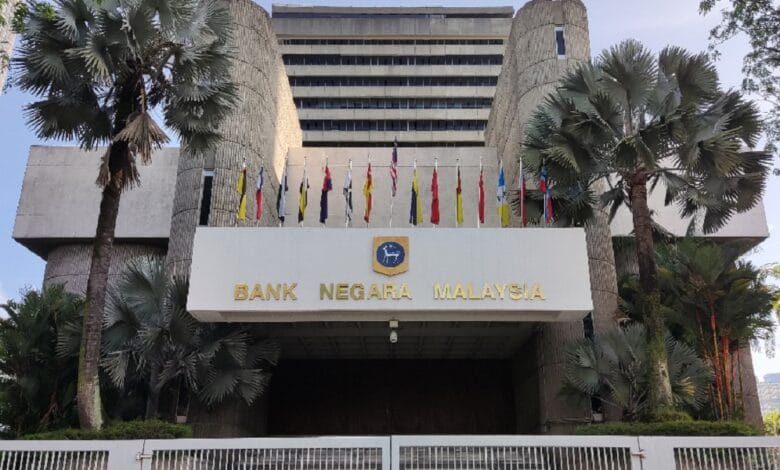
Bank Negara Malaysia (BNM) said the framework is being developed to create a more transparent, secure and consumer-friendly financial ecosystem while encouraging innovation within Malaysia’s financial services industry.
According to central bank officials, open finance will allow customers to securely share their financial data with authorised third parties in exchange for more personalised financial products and services.
They stressed that all forms of data sharing will require explicit user approval through an opt-in mechanism.
“Consumers will have full authority over who can access their data, how it is used and how long access is granted.
“They will also be able to withdraw consent at any time,” an official said during BNM’s Media Workshop on Consumer Protection and Fair Market Reforms held at Sasana Kijang today.
Bank Negara Malaysia said the framework is currently being developed in collaboration with Payments Network Malaysia (PayNet) and industry stakeholders.
According to the central bank, PayNet’s role will be limited to facilitating encrypted and secure data-sharing infrastructure.
“PayNet will not have the ability to view, read or store consumers’ financial information.
“All data-sharing activities remain subject to the Personal Data Protection Act (PDPA) and other relevant laws,” the official said.
BNM added that participating financial institutions will be required to comply with strict cybersecurity and privacy protection standards.
The central bank also warned that enforcement action may be taken against any institution found to have failed in protecting customer information or complying with security requirements.
“Consumers will also have access to clear complaint channels and dispute resolution mechanisms if issues involving their data arise,” the official added.
At the same time, BNM said it aims to release a formal policy document on the implementation of open finance by the end of this year.
Among the proposed provisions is the guarantee that consumers retain the unrestricted right to revoke consent for data access whenever they choose.
Officials stressed that open finance does not mean financial institutions or digital platforms can freely access users’ financial data without permission.
“All access and usage of financial data require active customer consent beforehand.
“Consumers remain the ultimate owners and controllers of their financial information,” the official said.
In a related development, Bank Negara Malaysia said there is long-term potential for integration between the open finance ecosystem and the government’s MyDigital ID platform.
However, officials emphasised that the national digital identity initiative would not automatically grant access to personal financial information.
“MyDigital ID functions as a digital identity verification platform rather than automatic access to someone’s financial records.
“Customer consent remains the fundamental requirement before any information can be shared or used,” the official explained.
Countries such as the United Kingdom, Australia and South Korea have already introduced open finance systems to strengthen integration across digital financial services.
According to BNM, one of the major advantages of open finance is that users can view all of their financial accounts through a single platform while gaining greater transparency regarding how their personal financial information is utilised.
“Currently, many consumers may not fully understand how their information is being used when applying for digital financial products.
“With open finance, consumers will gain full visibility over who accesses their data and for what purpose,” the official said.