Former National Takraw Player Feels Forgotten After Years of Service, Calls for Better Athlete Welfare

MELAKA, April 8 — A former Malaysian sepak takraw player from the 1970s has voiced deep disappointment, saying his contributions over more than a decade representing the country have largely gone unrecognised after retirement.
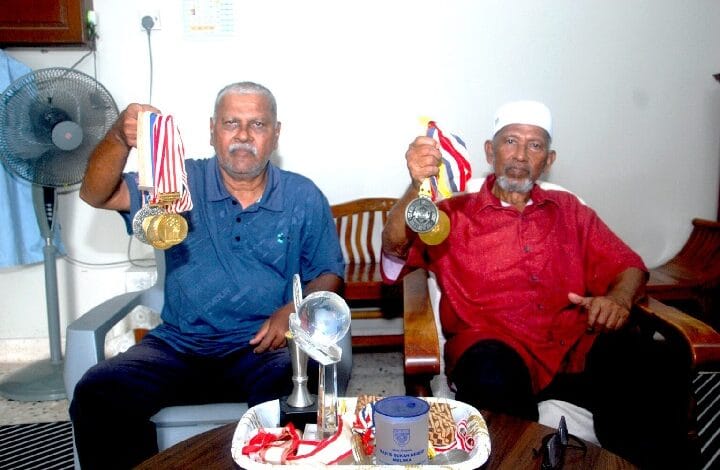
Rahim Kasim, 74, said he received no formal recognition or assistance despite dedicating 12 years to the national team.
He described his situation as particularly disheartening after being diagnosed with Parkinson’s disease in 2001, claiming that no support was extended during his long battle with the illness.
Rahim alleged that organisations such as the Persekutuan Sepak Takraw Malaysia (PSM), Persatuan Sepak Melaka (PASTAM), and Yayasan Kebajikan Atlet Kebangsaan (YAKEB) never reached out to offer assistance or even check on his well-being.
“I’m not asking for much. Even a simple gesture of concern would have meant a lot, but none came,” he said.
Despite this, he expressed gratitude for his seven children, who have built successful professional careers and now support him.
Looking back on his career, Rahim began playing sepak takraw in the late 1960s before joining the navy and later earning a place in the national team in the early 1970s.
He represented Malaysia in major regional tournaments, including the SEAP Games, and contributed to the country’s success at the Asian level.
As a right apit, he partnered with notable players such as Jalil Aziz and Isyak Yasin, gaining recognition for his consistency and resilience on court.
He also played alongside his brother Mubarak Kassim in international appearances, including an exhibition in India in 1980.
However, his post-retirement experience has shaped a more cautious perspective on sports as a career.
Rahim said he does not encourage his children to pursue professional sports, instead urging them to prioritise education as a more stable path.
He noted that athletes are often celebrated during their peak years but quickly forgotten once they leave the spotlight.
He called on relevant authorities to strengthen welfare support for former athletes, particularly those who once brought honour to the nation but now face personal challenges.
He also stressed the importance of fairness and transparency in sports management, urging reforms to ensure athletes are treated equitably both during and after their careers.
-wilayah.com.my