Court Told Fahmi Made No Political Speech in Mosque, Investigation Finds

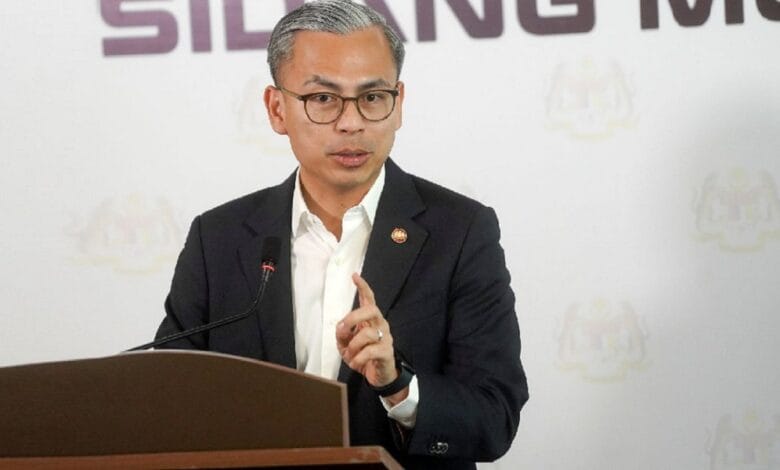
KUALA LUMPUR, April 9 — The High Court was informed that Communications Minister Fahmi Fadzil did not deliver any political speech during his visit to a mosque in Rawang in 2023, according to police findings.
Investigating officer Insp Muhammad Fiadhi Fadzil testified that video evidence showed Fahmi initially declined to speak, but eventually responded after being handed a microphone by mosque committee members.
He stated that the remarks made were limited to explaining the cancellation of a concert by The 1975 in Sepang and did not contain any political elements.
“The content of the speech was purely explanatory regarding the concert cancellation. There was no political aspect involved,” the witness told the court.
The officer further confirmed that investigations found no grounds to charge Fahmi under Section 4A(1) of the Election Offences Act 1954.
He noted that the investigation specifically focused on whether the speech could be classified as political, concluding that it did not meet that threshold.
During proceedings, the witness agreed that there is a distinction between general speech and political speech, reinforcing the conclusion of the investigation.
He also revealed that the Jabatan Agama Islam Selangor had recorded his statement in relation to the case.
Meanwhile, the defence, represented by preacher Ahmad Dusuki Abd Rani, argued that the social media posts in question had limited reach and did not harm the plaintiff’s reputation.
However, under cross-examination, Ahmad Dusuki admitted that he did not verify the information with Fahmi or his office before publishing the posts.
He acknowledged his responsibility as a public speaker to ensure accuracy, although he denied any intention to influence public perception.
Both parties have since closed their cases, with the court setting July 9 for oral submissions.
Presiding judge Raja Ahmad Mohzanuddin Shah Raja Mohzan also directed both sides to file written submissions and replies in May and June.
The case underscores how public remarks, especially in religious settings, can become subject to legal scrutiny when political figures and public perception intersect.
-wilayah.com.my