
Malaysia Maintains Steady Fiscal Policy While Monitoring Global Conflicts, Says Economy Minister

KUALA LUMPUR — Malaysia will maintain its current fiscal policy while closely monitoring developments in global geopolitical tensions that could influence oil prices and the country’s economic stability, Economy Minister Datuk Seri Akmal Nasrullah Mohd Nasir said.
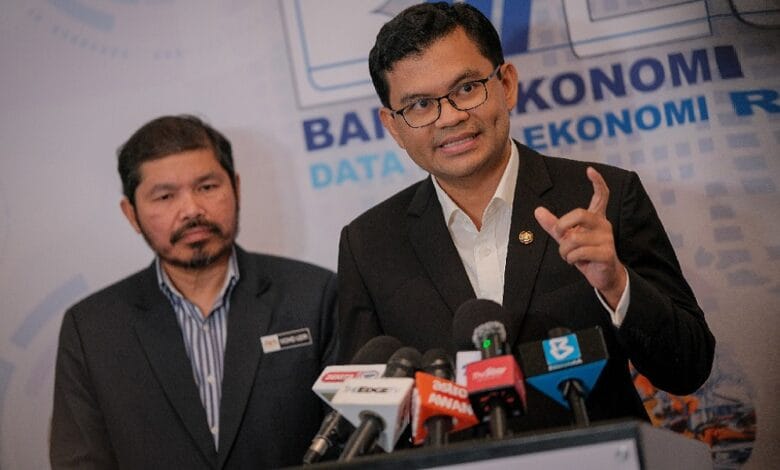
The government is taking a cautious yet measured approach in responding to international conflicts, particularly those that could disrupt energy markets and global trade routes, Akmal said during a press conference after the launch of the TikTok Malaysia Socioeconomic Impact Report 2025.
According to the minister, authorities are carefully evaluating the seriousness and potential duration of global conflicts before deciding whether additional economic measures are necessary.
“The government is maintaining existing fiscal policies for now. At the same time, we are observing the situation closely to understand how severe the conflict could become and how long it may persist,” he said.
Government Preparing Contingency Plans
Akmal said the government has already prepared several economic scenarios to respond to potential global developments that may affect Malaysia’s economy.
These scenario-based plans will guide policymakers in determining the most appropriate responses if geopolitical tensions escalate further.
The minister stressed that such preparations are essential in ensuring Malaysia remains economically resilient despite uncertainties in the global landscape.
“We have undertaken scenario planning so that we are ready to act if the situation reaches certain thresholds that could affect the economy,” he explained.
This approach, he said, enables the government to remain proactive while avoiding premature policy changes.
Malaysia’s Economic Resilience Remains Strong
Despite rising global tensions, Akmal expressed confidence in Malaysia’s economic fundamentals, noting that the country’s status as a net exporter provides a degree of protection against external shocks.
Malaysia’s diverse economic structure and strong trade networks also contribute to the country’s ability to withstand global uncertainties.
He said these factors help reinforce confidence in the country’s economic stability even when global markets face volatility.
“Malaysia’s economic fundamentals remain resilient, and our position as a net exporter strengthens our ability to manage external economic pressures,” he said.
Coordination With Key Agencies
To ensure that the government remains informed about the latest global developments, Akmal said several ministries and agencies are actively involved in monitoring the situation.
These include the Ministry of Finance, Petroliam Nasional Berhad (Petronas), Bank Negara Malaysia and the Ministry of Foreign Affairs.
Regular consultations with these institutions allow the government to obtain updated data and economic assessments that can inform policy decisions.
This coordinated approach is aimed at strengthening the government’s capacity to respond quickly to any economic risks arising from global geopolitical tensions.
Potential Impact on Logistics and Trade
Akmal noted that geopolitical conflicts, particularly in strategic regions such as West Asia, could affect global logistics and transportation costs.
Shipping routes and maritime trade are particularly vulnerable to disruptions during periods of heightened tensions.
One key area of concern is the Strait of Hormuz, a crucial global energy and trade route that handles a significant portion of the world’s oil shipments.
According to Akmal, any instability in the region could lead to higher shipping insurance premiums and increased transportation costs.
Such developments could eventually influence the price of imported goods and services worldwide.
Possible Effects on Food Prices
The minister also warned that rising global tensions could eventually impact food prices, particularly for imported food products.
However, he said any effects would likely take time to materialise as supply chains adjust to changing conditions.
Relevant ministries are closely monitoring supply levels and market trends to ensure food availability remains stable.
“The impact on food prices, especially imported goods, will only be seen later, but we are monitoring supply stability closely,” Akmal said.
Escalating Tensions in West Asia
The government’s cautious stance comes amid escalating geopolitical tensions in West Asia.
The situation intensified after Israel and the United States launched strikes on Iran on February 28.
Iran later responded by targeting US interests in the Gulf region, raising concerns about potential disruptions to global energy markets and shipping routes.
Such developments have heightened global economic uncertainty, prompting many countries to closely monitor the situation.
For Malaysia, the government’s focus remains on safeguarding economic stability while preparing contingency plans to address any potential spillover effects from the conflict.
Akmal emphasised that while the situation remains fluid, the government will continue to monitor developments and ensure that Malaysia’s economic policies remain responsive to global challenges.
-wilayah.com.my