
Agriculture Ministry Reviews Supply Stocks to Prepare for Possible Global Cost Volatility

PUTRAJAYA — The Ministry of Agriculture and Food Security (KPKM) has begun reviewing national agricultural supply stocks as a precautionary step amid uncertainties surrounding global oil prices that could affect food production costs.
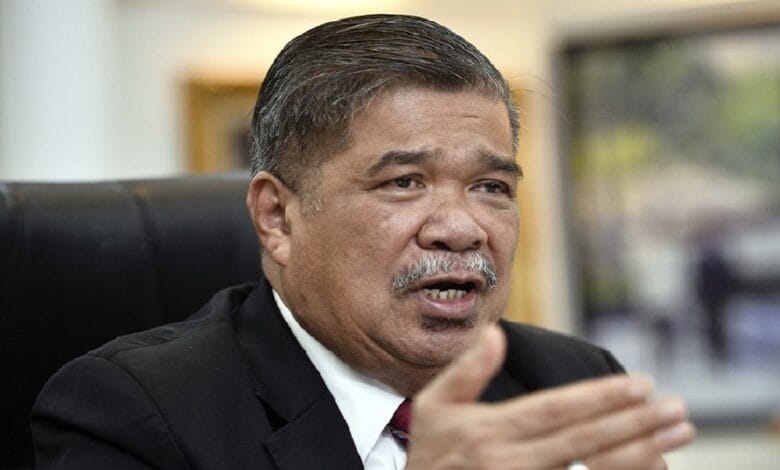
Minister of Agriculture and Food Security Datuk Seri Mohamad Sabu said ministry officials are currently conducting detailed monitoring and assessments to evaluate potential impacts on the country’s food sector should global energy prices continue to fluctuate.
The initiative is part of the government’s broader strategy to strengthen food security and ensure Malaysia remains prepared for any changes that could disrupt agricultural production or supply chains.
“Officers within the ministry are working intensively to gather early information and make projections in case there are price changes that may affect the food sector,” Mohamad said during a press conference in Putrajaya.
Stock Assessment to Ensure Adequate Agricultural Inputs
As part of the exercise, the ministry is carrying out a comprehensive stocktake of agricultural inputs to determine current supply levels.
These inputs include fertilisers and other supporting materials essential for crop cultivation and food production.
Mohamad said the assessment is necessary to identify the exact amount of agricultural supplies available and to estimate how long existing stocks can sustain national food production.
“At this stage we are reviewing all available agricultural inputs and evaluating how long these supplies will last,” he said.
The information gathered from the stock assessment will help authorities plan supply management strategies and anticipate possible disruptions in production.
Preparedness Measures Underway
Although the ministry is closely monitoring developments, Mohamad said there is currently no immediate need to activate emergency measures.
However, he emphasised that the ministry has contingency plans in place should global conditions worsen.
“If a situation arises that requires immediate action, we are ready to implement crisis management plans. But at the moment, such measures are not necessary,” he said.
The government’s proactive monitoring reflects concerns that rising oil prices could have ripple effects across various sectors, including agriculture.
Potential Impact of Rising Oil Prices
Mohamad explained that increases in global oil prices could lead to higher production costs within the agricultural sector.
One of the most immediate impacts could be the rise in prices of agricultural inputs such as fertilisers, which rely heavily on energy-related resources during manufacturing and transportation.
Higher fertiliser costs could eventually affect crop yields or increase overall food production expenses.
Such developments may also influence market prices of agricultural products if production costs rise significantly.
Strengthening Domestic Food Production
To mitigate potential risks, the ministry is focusing on strategies to strengthen local food production capacity.
Among the measures being explored is the introduction of new technologies to improve agricultural productivity.
The ministry is also looking at expanding agricultural activities in regions with strong development potential, particularly in Sabah and Sarawak.
These areas are seen as having significant opportunities to boost food production and support national food security.
In addition, efforts are underway to identify and develop idle agricultural land that can be utilised for farming activities.
Enhancing Long-Term Food Security
Mohamad said the government’s efforts aim to ensure Malaysia remains resilient in the face of global uncertainties that could affect food supply chains.
By strengthening agricultural capacity and carefully managing supply stocks, the ministry hopes to maintain stable food production while minimising the impact of external economic pressures.
These initiatives also align with Malaysia’s broader strategy to reduce reliance on imported food and increase domestic agricultural output.
As global economic conditions remain uncertain, the ministry will continue monitoring developments while implementing policies that support long-term food security.
-wilayah.com.my